| Hydroxypropyl methyl cellulose
--------------------------------------------------------------------------------
Of hydroxypropyl methyl cellulose and hydroxypropyl methyl cellulose, hydroxypropyl methyl cellulose ether, is highly pure cotton cellulose as raw materials, under the condition of alkaline specially made by etherification.
Main application:
1, construction: as cement mortar water retention agent, retarder, make the slurry pump.In plastering mortar, gypsum material, putty powder or other materials as a binder, improve the workability and extend the operational time.Used as the adornment, stickup ceramic tile, marble, plastic paste enhancer, can also reduce the dosage of cement.Water retention properties of HPMC to paste in the daub after will not crack by dry too fast, enhance strength after hardening.
2, ceramic manufacturing: widely used as binder in the ceramic product manufacture.
Due to 3: in due as a thickening agent, dispersing agent and stabilizer, in water or organic solvents have good intermiscibility.As the paint remover.
4, ink printing: in the printing ink industry as a thickening agent, dispersing agent and stabilizer, in water or organic solvents have good intermiscibility.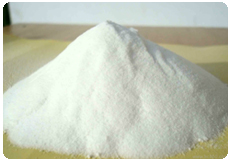
5, plastic: as forming mold release agent, softener, lubricants, etc.
6, polyvinyl chloride (PVC) : do dispersing agent in the production of PVC, PVC suspension polymerization preparation main auxiliaries.
7, other: this product is widely used in leather, paper products, fresh-keeping, and textile industry etc.
8, the pharmaceutical industry: the coating material;Membrane material;Slow-release preparation speed polymer materials;Stabilizing agent;Suspended aid;Tablet binder;Reinforced adhesion agent.
Safety performance:
1, health hazard: this product safe non-toxic, as a food additive, no heat, no stimulation to skin and mucous membrane contact.Generally considered safe (FDA1985), the daily allowed intake 25 mg/kg (1985) the FAO/WHO, should wear protective equipment when operating.
2, environmental impact: avoid any scatters the dust caused by air pollution.
3, physical and chemical hazard: avoid contact with the fire, should be avoided in the airtight environment to form a large amount of dust, to prevent explosive hazards.
4, store items: pay attention to prevent bask in rain moisture, avoid direct sunlight, sealed in dry place.
5, safety matters: avoid contact with skin and eyes. |